Creating an outdoor oasis

Photos by Southern Scape, LLC
Written by Harvey Cotten

When it comes to being outdoors, summertime seems to beckon like no other season. For advice on creating the perfect outdoor spaces, we turned to garden-writer, designer and consultant Harvey Cotten, who retired after 22 years with the Huntsville Botanical Garden as Vice President and Chief Horticulturist.

Zen Zone

A garden is a perfect place for reflection, relaxation, and rejuvenation. The hustle and bustle of life bombards us each and every day (actually every moment of every day) with stimuli that we must respond to right now. More and more we desire, nay, crave to unplug, get away, remove ourselves from the constant noise that surrounds us. A garden, or more importantly, your garden can be that place of respite for you – even if it is only for a few moments each day. Creating a place to step away from all clutter of the world, to embrace the calming reality that nature can provide may be the best medication you can prescribe for yourself.

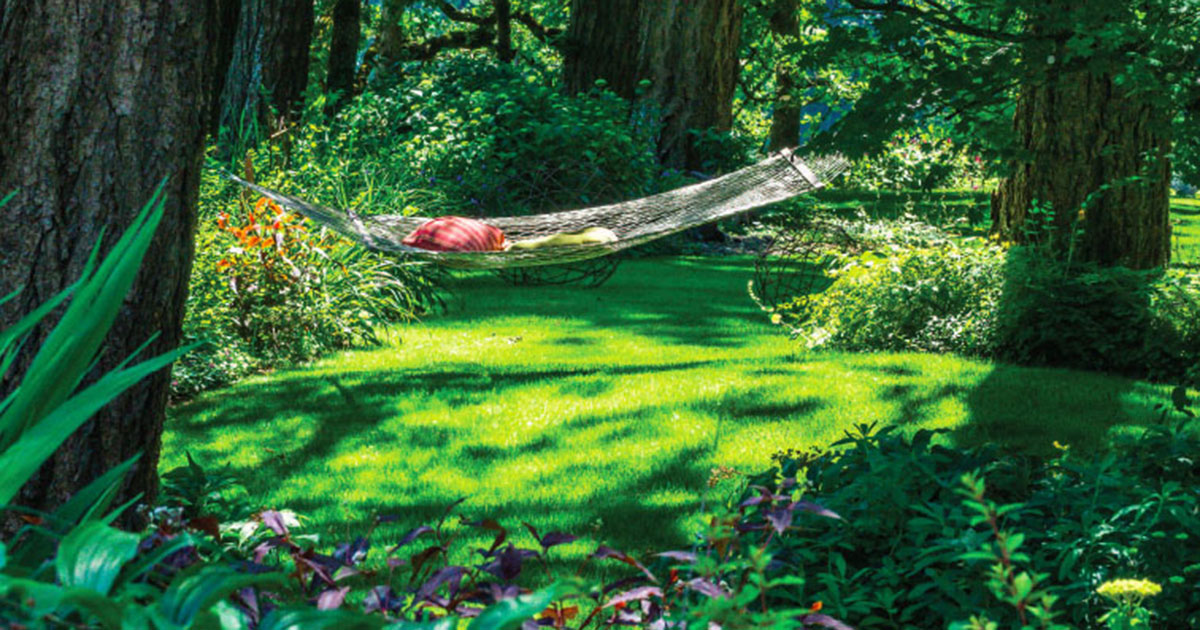
Carving out a quiet, shady spot in your garden where you can retire can be akin to going to your study, closing the door, putting on some soft jazz and curling up with a good book with a warm fire. The garden can provide the same relaxation you crave. I love to find a cozy spot underneath the canopy of shade trees that I can plop down in a comfortable Adirondack chair or even strap up a hammock to block out the stresses and clutter of the day.

When trying to relax, a background of green truly sets the tone. It begins to calm the senses almost immediately. Color can be provided by using varying shades of green and even incorporating plants with variegated foliage like Shady Lady Illicium, Variegated Soloman’s Seal or the many different hostas available with white or gold markings. Typically in a shady garden, flowers tend to be more in the cool color range (white, pink or blue) that complement the soothing green tones of the surrounding foliage. I love the blue color of Virginia bluebells, Woodland phlox or Blue cardinal flower to help soften the coarseness of the woodland setting. Choices for white flowers are abundant starting with small trees like Flowering Dogwood, Serviceberry and Grancy Greybeard. Fothergilla, Virginia sweetspire and white azaleas are just a few of the shrubs with white flowers followed by Foamflower, Shooting star and even Impatiens as wildflower or annual options.

While color stimulates the sense of sight, a Zen garden setting should involve the sense of smell to truly put one in the relaxation mode. Adding fragrance to the garden is easy with plants that have either fragrant foliage or flowers. Illicium has foliage that smells of licorice while Rosemary is wonderful to have close by your seating area to help perfume the air with soothing aromas. The flowers of Sweet shrub, Sweet olive or Gardenia will truly fill your surroundings with fragrances to calm the nerves and help remove the cares of the day.

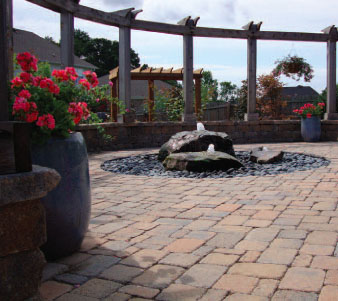
One area that is often overlooked or underutilized is the addition of sound. This can be accomplished in many different ways – from the very simplistic approach of listening to the wind rush through the leaves of the trees. Adding items like windchimes can accentuate this but be careful to not use chimes that sound like a gong clanging, but rather choose the soothing tinkle of wood and metal. Lastly, my favorite way to add sound to the garden is to introduce a water element into the space. Simple water elements can be so calming to watch and listen to. Many water features are self-contained and can be installed without much construction. Listening to the splashing sound of water is very peaceful and often leads to eyes closing instead of reading that book you have on your lap.

It is easy to find that quiet, secluded spot that you can turn into your Zen Garden –just look for the possibilities and think simple.
Gathering / Dining Zone

One of the great pleasures of living in North Alabama is being able to enjoy the great outdoors all twelve months of the year. Notice I said all twelve months and not 365 days, since we all know that we do experience the seasons here, whether it is cold, dreary days of January and February or the stifling hot and humid days of July and August.

However, we are always on guard for those moments when the weather turns in our favor and we can experience the splendor of being outside and enjoying the sights, sounds and smells all around. One of my favorite times to be outside in a garden space is for meals (including cocktail hour.) The early evening hours can be some of the most pleasant times we have in the Tennessee Valley, one where the wonders of a sunset view or the rustling breeze through the trees can be experienced.

When creating a space for this garden setting, think of it as a natural extension of your indoor spaces. This outdoor garden room for dining should have familiar objects like walls, floors and ceiling just like the dining room and kitchen in your home. However, while the names are the same, how you create these features will be quite different. Walls may be solid and dense, made of wood or brick or they may be subtle and soft, being constructed of plants, trellises or vines. Ceilings may be a pergola overhead or even the overlapping branches of tall trees. Floors may be made of pavers, flagstone, gravel or even grass. Regardless of the choices, the function of these materials is to create the familiar structure of an outdoor room comfortable enough to use often.

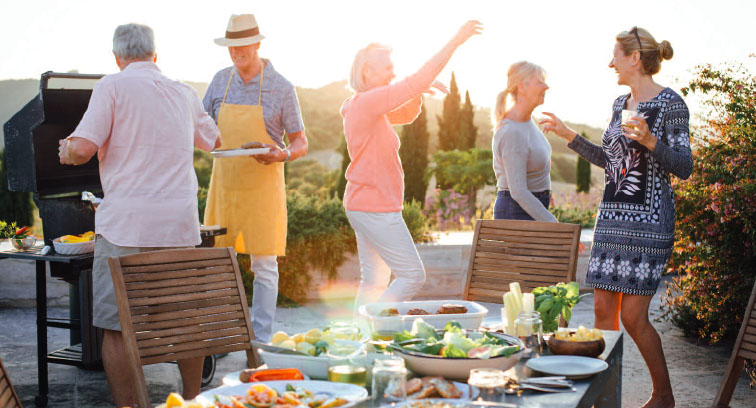
One way to ensure use of the outdoor dining area is to locate it close to the house and include the grill in that space. It is natural to gather around the cook as meals are being prepared, just like indoors. The added bonus of being outside is appreciating the fabulous smells that permeate through the air. Throw in a small vegetable garden in close proximity and enjoy the satisfaction of picking fresh, home-grown squash, cucumbers or tomatoes and then cooking them up for dinner. Growing containers of fresh herbs that are readily accessible for picking truly enhance the flavors of any meal. Plus having fresh mint and basil on hand means that your Mojitos or cucumber-basil martinis are the envy of the neighborhood. The good news is that many vegetables can be grown in small spaces whether that be in raised beds, straw bales or even large containers. The trick is making it easy to get to – vegetable gardens need attention and having it way out in the back of the property often spells trouble. The distance becomes an obstacle so it is better to grow a few things well and keep them close at hand in order to use as they ripen.

One concern when dining outdoors is dealing with pests, especially mosquitos. While some plants do have pest repelling abilities, the best defense against mosquitos is to make sure they do not have a place to breed. In other words make sure there is not any standing water in the garden. If you have a water feature (and I hope you do) add the mosquito dunks (natural mosquito larvicide) and fish to any ponds with still water. Moving water is a good deterrent. Adding plants like Citronella to the garden is good for providing fragrance to your garden space but the plant alone will not repel mosquitoes. If you crush leaves and rub on your skin, that may provide some relief. Having a fan to move air around is also very helpful in keeping bugs away.

As with the Zen Garden, having plants that provide both flowers and fragrance is important. Morover, the plants will help to soften any of the hardscape features you may have installed to create the garden room. Plants with very fine texture growing around and over the coarse texture of flagstone patios or brick walls is a perfect pairing. Ferns, grasses and even small patches of turf can be used effectively in these areas.

Creating an additional garden room that is used for gathering friends and family to enjoy a meal and conversation is a fantastic bonus to any home. Look for ways to expand upon the area where the barbecue grill sits and you can get everyone else to come out and enjoy the sights, sounds and smells while the cook prepares the feast.

Sun Lounging Zone

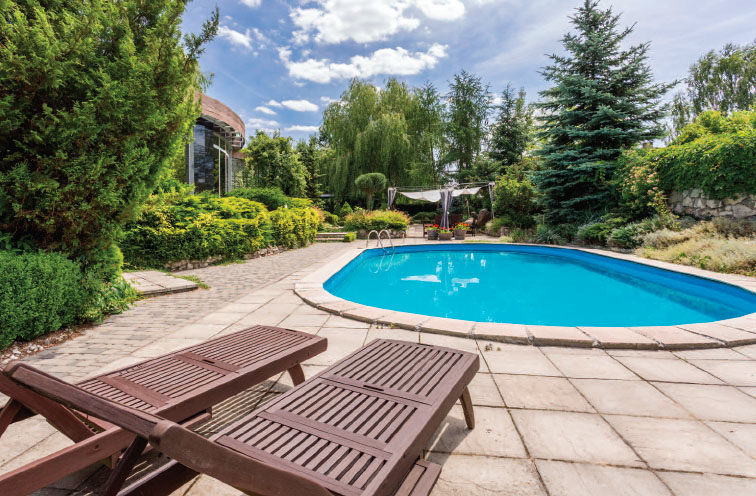
Now here is a garden room that is open for all to see. The concept of a ceiling in this case is put aside so there is space to enjoy the warmth of the sun’s rays and cool off on a hot, sunny day with a dip in the pool. Unlike the Zen Garden which is usually small, intimate, private and even secluded, this garden room for lounging is often the center of activity. For that reason, access to this space is very important; therefore pathways and decking are crucial elements (the floor) of this room. With a myriad of choices here, it seems like new options are being provided every day. Fortunately, many of these options are kinder to our pocketbooks than what was available previously. One option, especially for large areas is stamped concrete. In the past a concrete deck or patio was one of the more inexpensive choices but the look or affect of the finished product left much to be desired. A bright, almost white color created an unwelcomed glare.

Also the heat generated off of these surfaces was intense, to say the least. Now with stamped concrete the finishes are numerous with looks that mimic slate, flagstone, brick – this list goes on and on. Take a look at the possibilities and you may be surprised at the selections. Also, recycled or composite decking is a fantastic option today. The look of wood without the maintenance issues associated with wood makes for a great product.

Bright, sunny open spaces provide a great environment for growing flowers and even introducing a tropical element into the landscape. Plants like Hibiscus, Elephant ears, Alocasia, Angel’s trumpet, Firecracker plant and Kimberly Queen ferns all thrive in sunny locations while providing a tropical feel to a stark hardscape. These plants work wonderfully in containers and allow you to even move them around if need be.

With container plantings a few simple rules to follow will make your job easier. First get the largest container you can handle (whether that is by price or weight.) Size does matter and these tropical plants will appreciate a large container size for their roots to grow. Also larger containers will need less water than smaller ones during the growing season. Use a high quality soilless mix that provides excellent drainage.

Incorporate a slow-release fertilizer into the mix at planting and add supplemental fertilizer throughout the growing season. Since this is a soilless mix and it is being watered regularly, the fertilizer is being depleted much faster than if these plants were placed in the soil. Water when the plants need it, and watch your sunny, outdoor space be transformed into a tropical oasis.

Spread the love